Raise a Reader! Ideas for Reading with Baby at Any Age
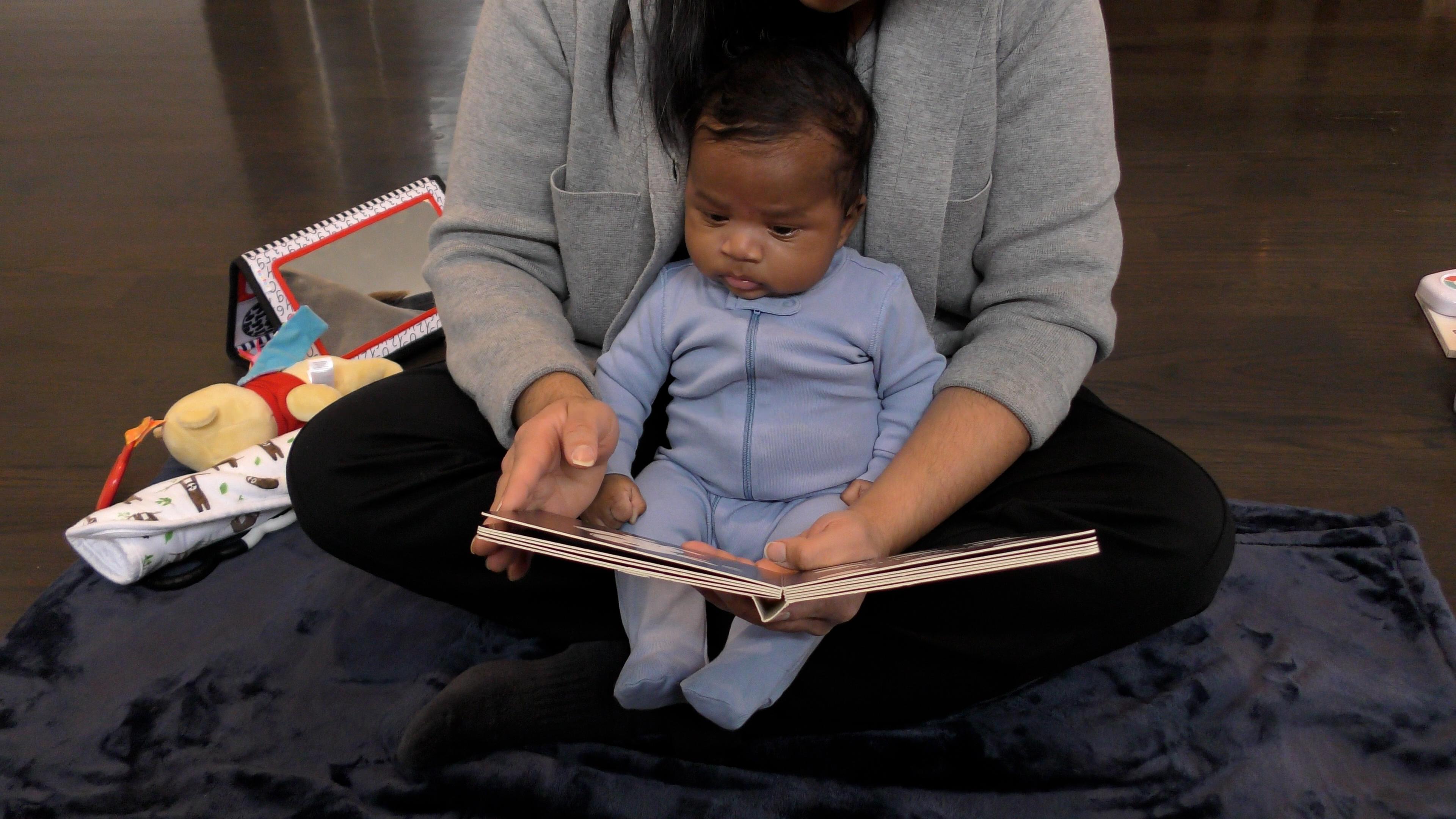
Books play an important role in kids’ communication development long before they can read; start early with Baby by using textured board books, reading rhymes, and combining story time with Tummy Time.
During the toddler years, start making reading part of your daily routine, use books to teach them new words, and bring the stories to life by trying activities you read about.
When your child is a little older, ask them questions to develop their comprehension skills, encourage them to make up their own stories, and introduce audiobooks for independent reading time.
Whether your child is looking at their very first books or is already reading to you, books play an important role in their communication development and learning at any age! See these tips for reading with Baby during their first year, as a toddler, and at school age.
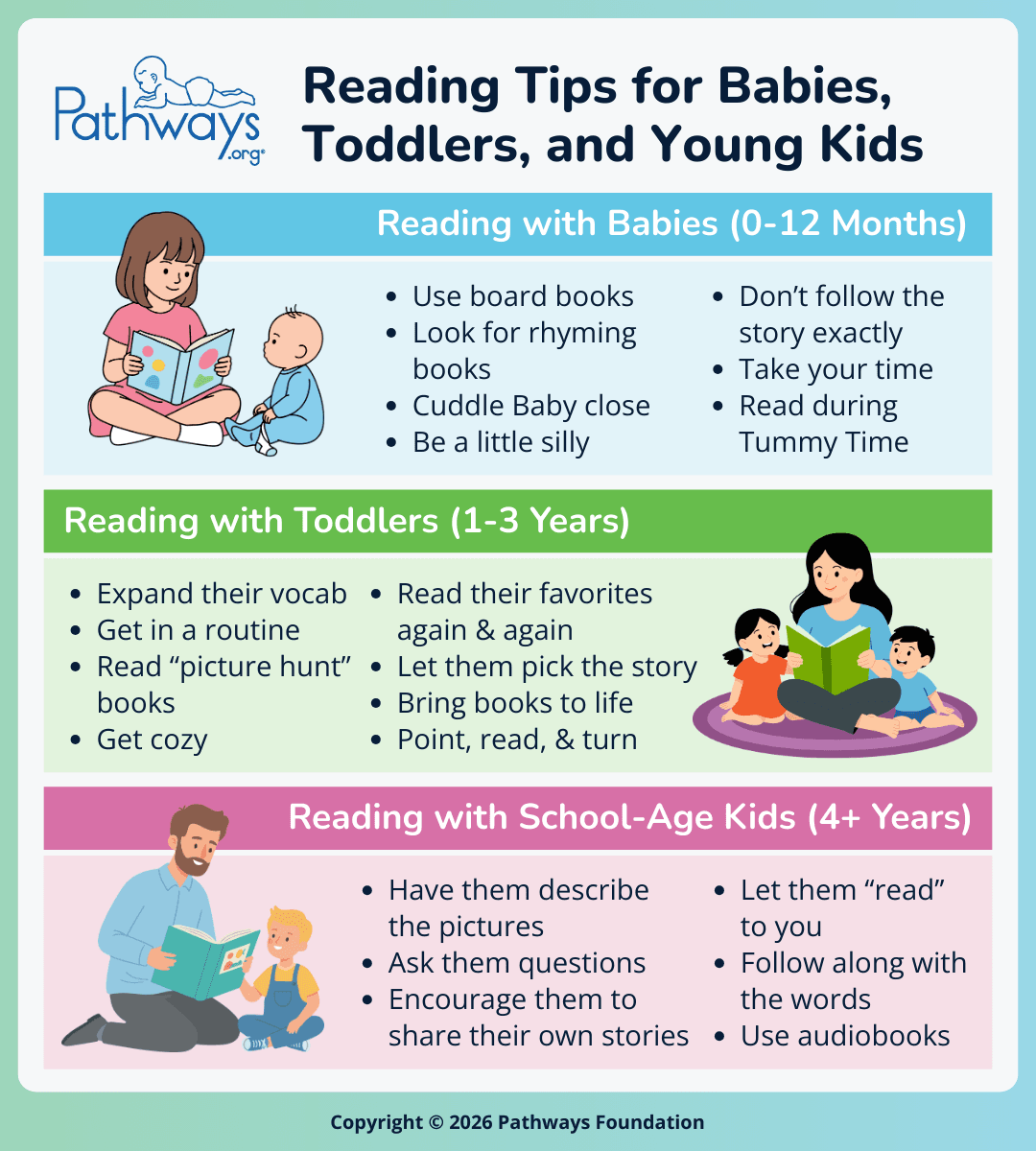
Reading with Babies (0-12 Months)
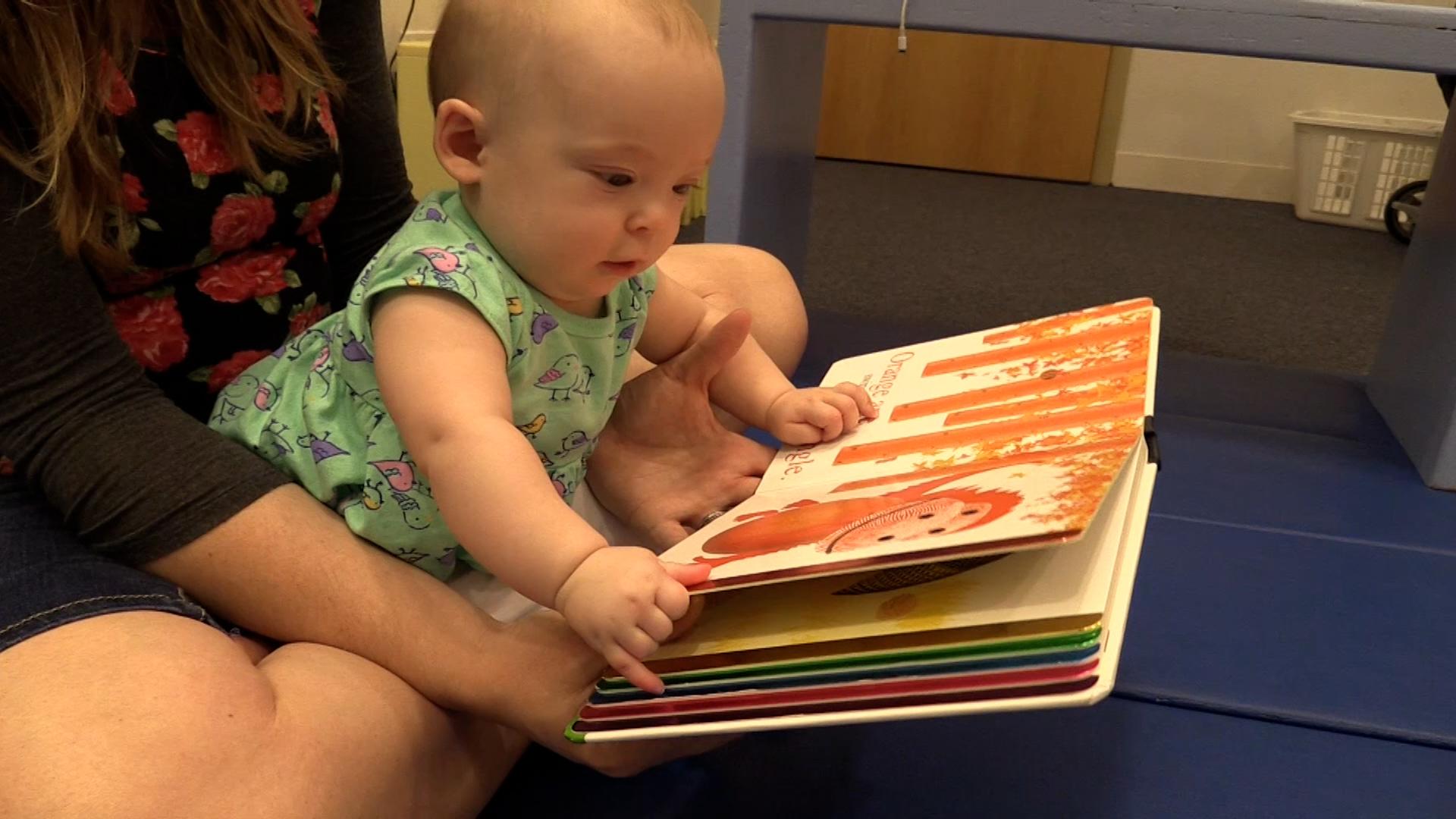
Use Board Books
Give Baby thick board books, sometimes with textured pages, so they get used to the form of books. Read with Baby or just have them flip through the pages! Turning several pages of a chunky board book is a skill they'll learn by 9 months.
Look for Rhyming Books
Babies love nursery rhymes! Not only do they sound fun, but reading rhymes with Baby actually helps with their early language learning.
Cuddle Baby Close
Make Baby feel safe and comfortable while reading to them. Story time can be a great way to calm your child down and get them ready for bed.
Be a Little Silly
Play around with different noises or use different voices while telling a story! This can help keep Baby's attention and make story time more fun for everyone.
You Don’t Have to Follow the Story Exactly
Baby is too young to know the words, so talk about the pictures, point out interesting shapes, or even make up your own ending. Just talking to Baby helps to develop their language skills.
Take Your Time
Read slowly with Baby, and take time to point out the pictures. They may not understand everything you’re saying, but you can help them learn when you go slow.
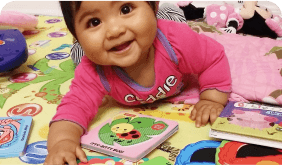
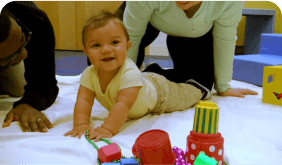
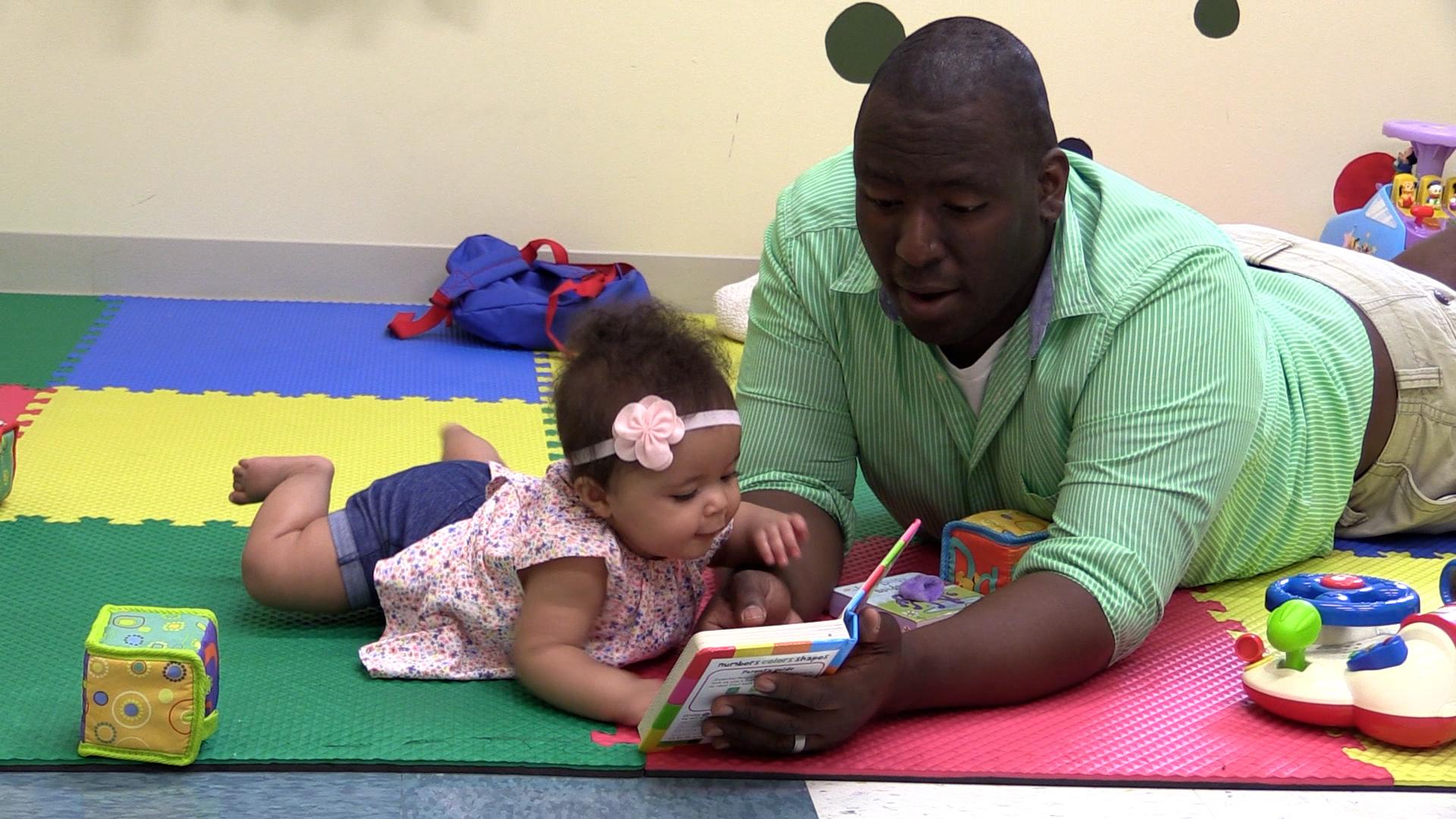
Read During Tummy Time
Who said Baby can’t multitask?! While they get in their daily exercise, read them a story, or give them a board book to play with! High-contrast picture books during Tummy Time are great for their developing vision!
Reading with Toddlers (1-3 Years Old)
Get in a Reading Routine
This can be as simple as a bedtime story! Routine reading can be at any time of the day, just as long as it promotes regularity.
Expand their Vocabulary
See if they know what certain advanced words mean; if they don’t, ask them to guess. Make an effort to use some of those words around the house.
Read “Picture Hunt” Books
Get children engaged with what’s on the page, and practice taking turns searching for items in the picture!
Get Cozy
Gather pillows and blankets and read a story on the floor, maybe even in a fort! As your kid gets older, help them set up a “reading nook” in their room to continue encouraging reading.
Read Their Favorite Stories Again…and Again
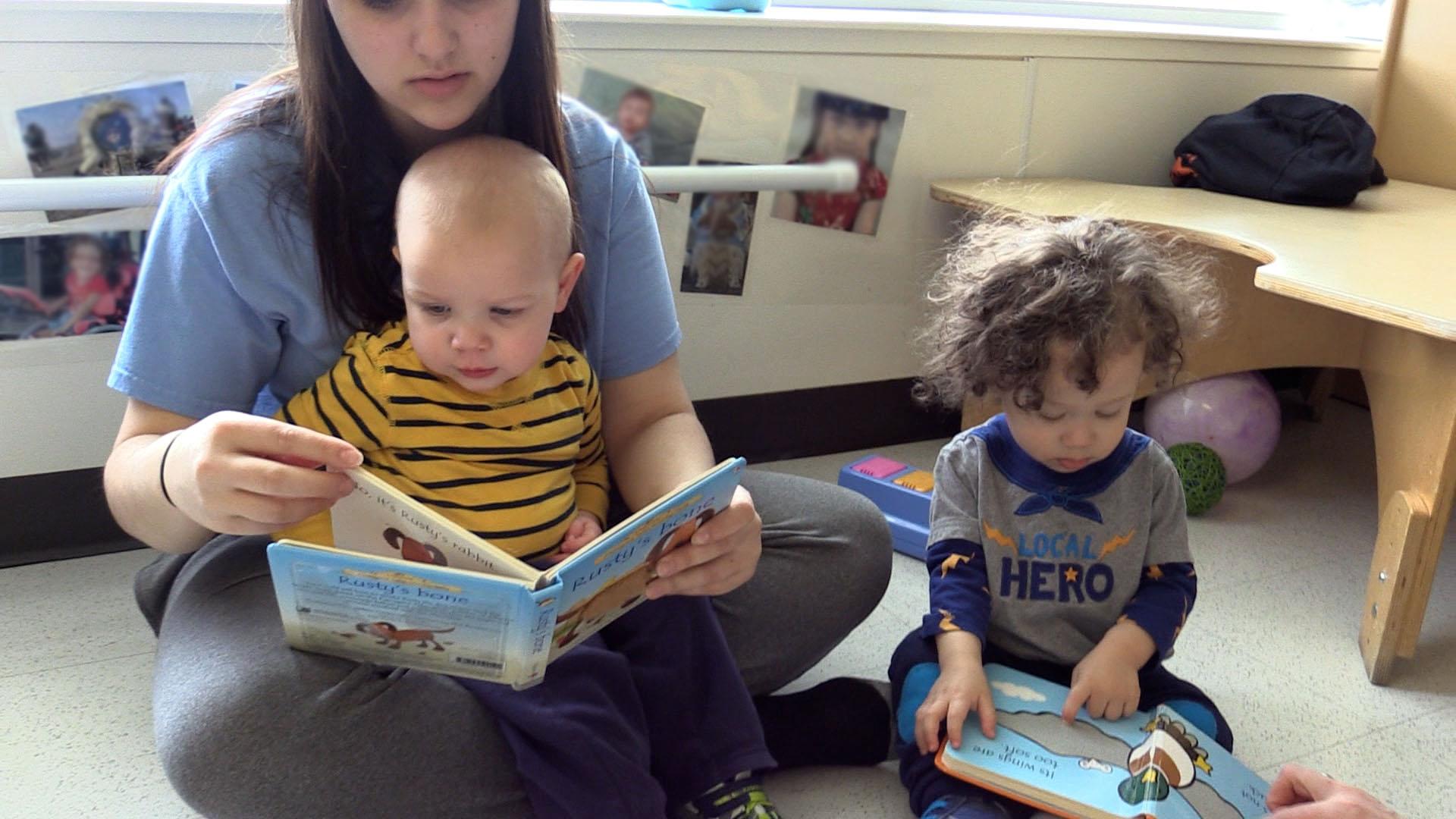
Repetition of books is encouraged! After reading a book multiple times, try leaving a word out at the end of a sentence and having your child fill it in, especially in rhyming books. This is great for building literacy skills! Have them follow along by pointing to the words as you read them, so they can begin to make connections between the sounds and spelling.
Let Your Child Pick the Story
Even if you’re reading together, this gives your child a sense of independence. Don’t forget to take turns with siblings! Having an interest in the book helps to build lifelong readers.
Bring the Books to Life
Incorporate what you read into your day. For example, if the characters are making cookies, try out a new cookie recipe together.
Point, Read, & Turn
While children are just building their literacy skills, it’s a great time to show them the basics of books, like titles, authors, and when to turn the page. Point to the title and the author’s name, and read it out loud. As your child gets more used to this, have them point to the title and the author’s name. Also have them turn the pages as you read!
Reading with School-Age Kids (4+ Years)
Have Them Describe the Pictures
If your child is able to describe a picture, ask them “What do you see?” as you read so they can tell the story with you.
Ask Them Questions
Help their comprehension and creativity by asking them what they just heard, or what they imagine happening. Ask “What do you think will happen next?”
Encourage Them to Share Their Own Stories
Reading may inspire writing and storytelling. If your child isn’t writing on their own just yet, they can draw their story. It’s a great exercise however they do it!
Let Your Child “Read” to You
Let them take the book and tell the story as best they can, based on pictures and simple words. It doesn’t matter if they don’t get it right.
Follow Along With the Words
Help your child follow along with the story by pointing to each word you read from left to right.
Don’t Forget Audiobooks!
Audiobooks can also help build your child’s vocabulary. They are a good way to introduce independent reading time and also make a great educational alternative for screen time during long car rides.
So let’s get reading! Remember: every little bit helps. Reading with your child is great for their development, even if it’s just a few minutes each day!